About the Vision

A future healing arts center that feels human, grounded, and real.

A larger-scale home for accessible healing, creative expression, nervous system care, youth programming, and community belonging.

What it can become

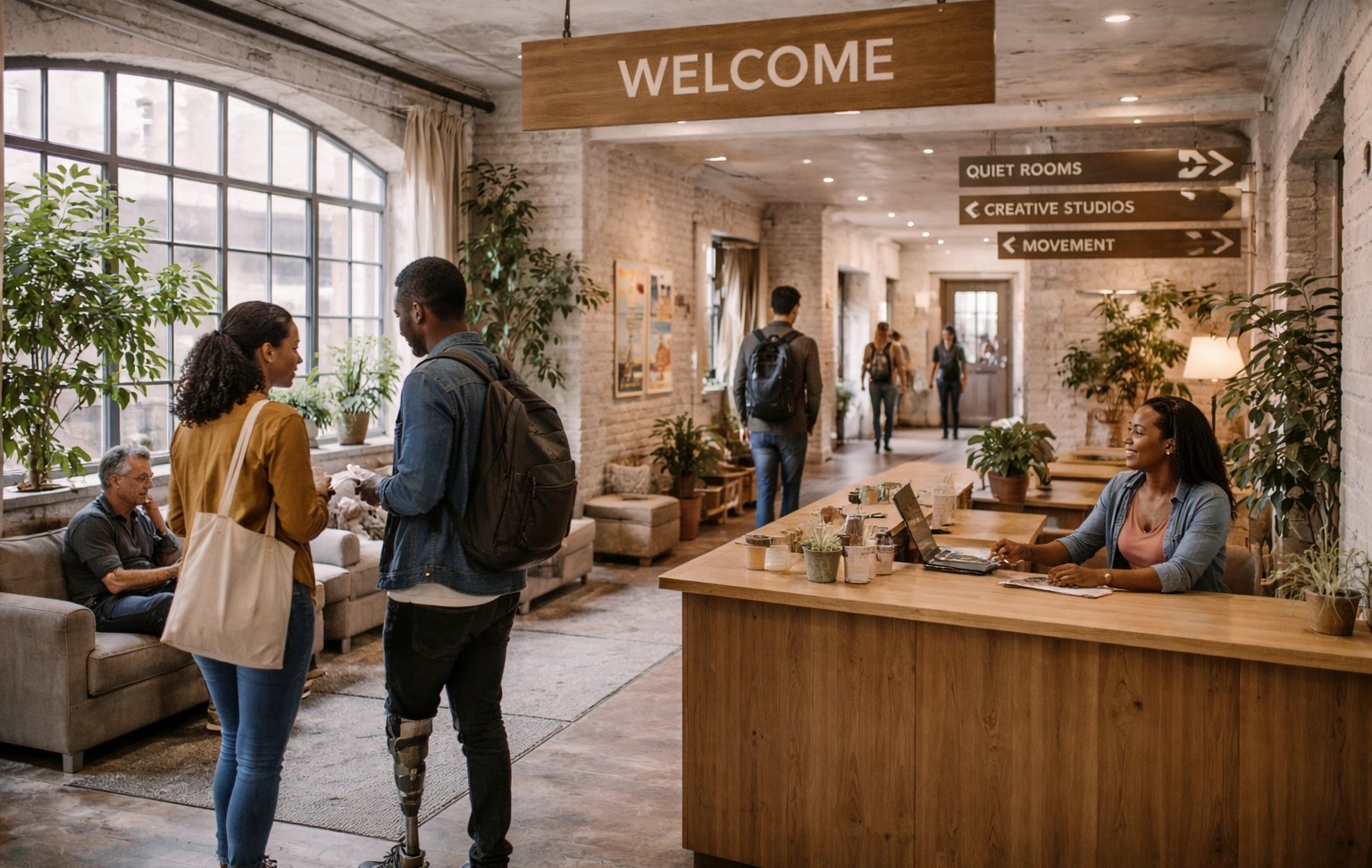
I see Finding Eden becoming a large-scale community healing arts center with somatic movement rooms, creative studios, writing circles, quiet rooms, youth programs, support groups, music, art, and community events.

It would feel warm, beautiful, grounded, and alive. A place where someone can come in overwhelmed, depressed, lonely, grieving, anxious, or just tired of pretending they are fine — and find a doorway back to themselves.

The first version starts smaller: pop-ups, workshops, facilitator partnerships, volunteer support, online tools, and donor-backed launch programming. But the vision is bigger than that.
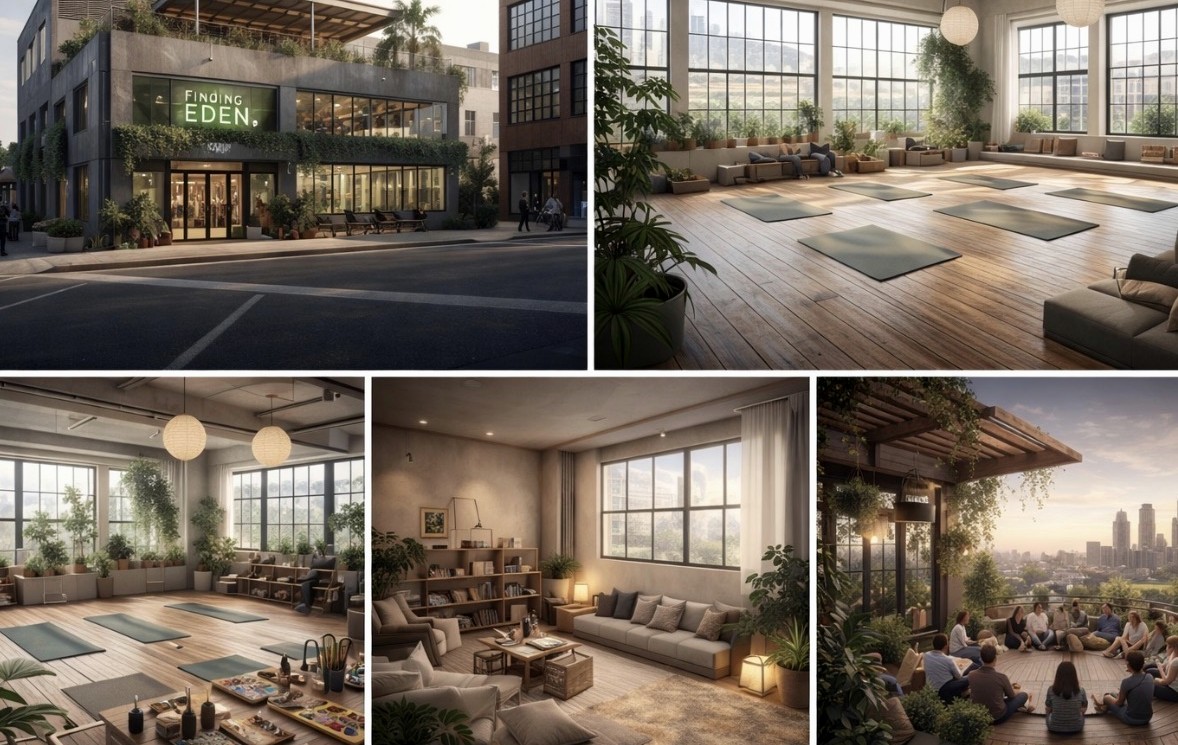
Finding Eden vision collage showing exterior and rooms

Inside the future space

Rooms that meet people where they are.

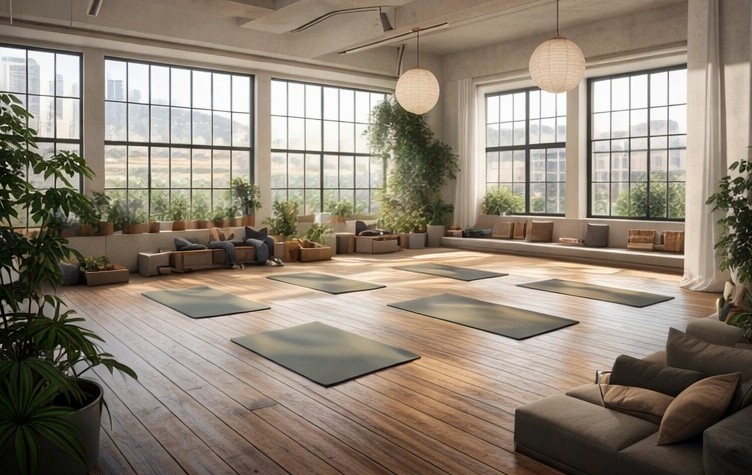
movement room

Somatic Movement Room

A calm room for breathwork, stretch, grounding, and nervous system care.

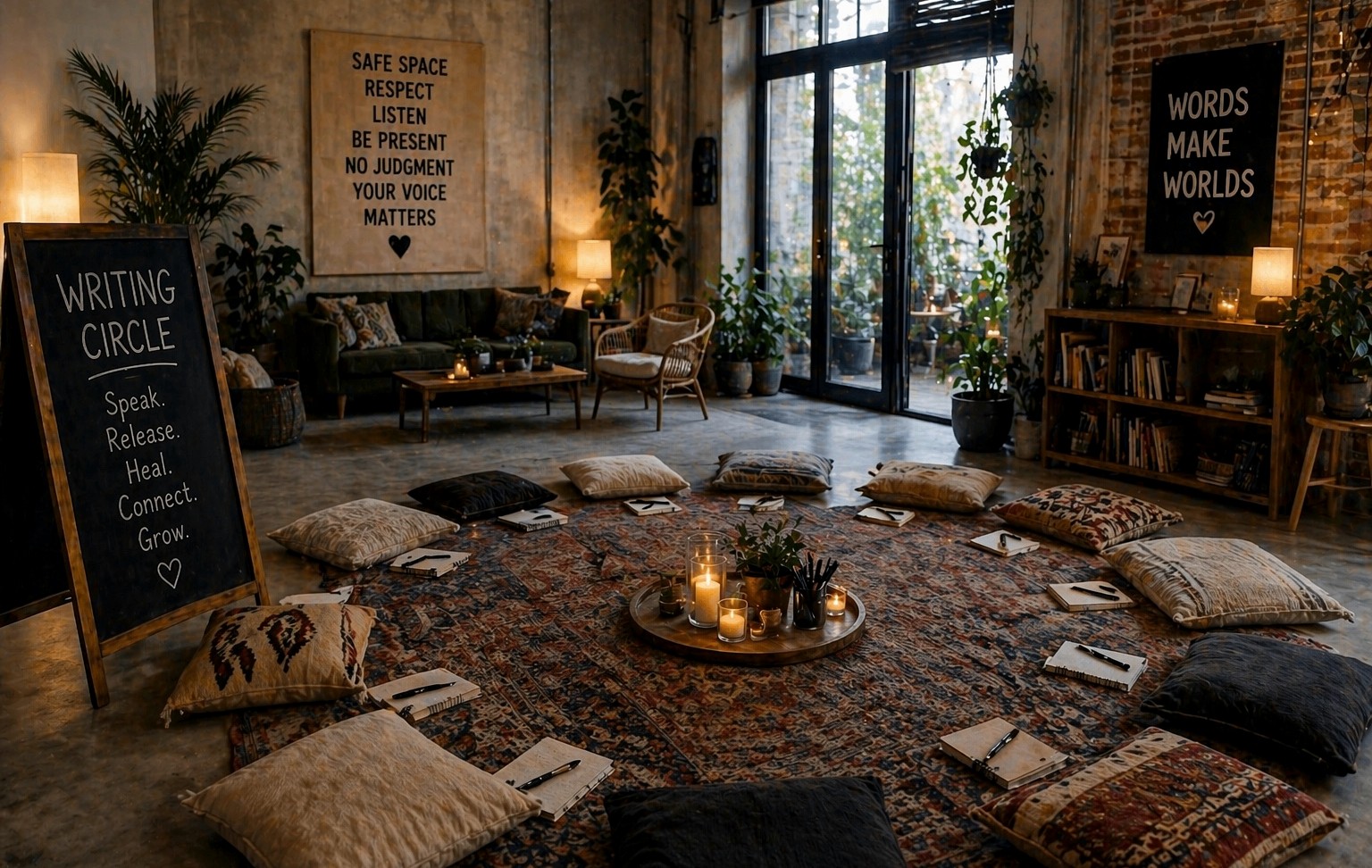
writing and story room

Writing & Story Room

A space for journaling, reflection, storytelling, and saying what usually stays inside.

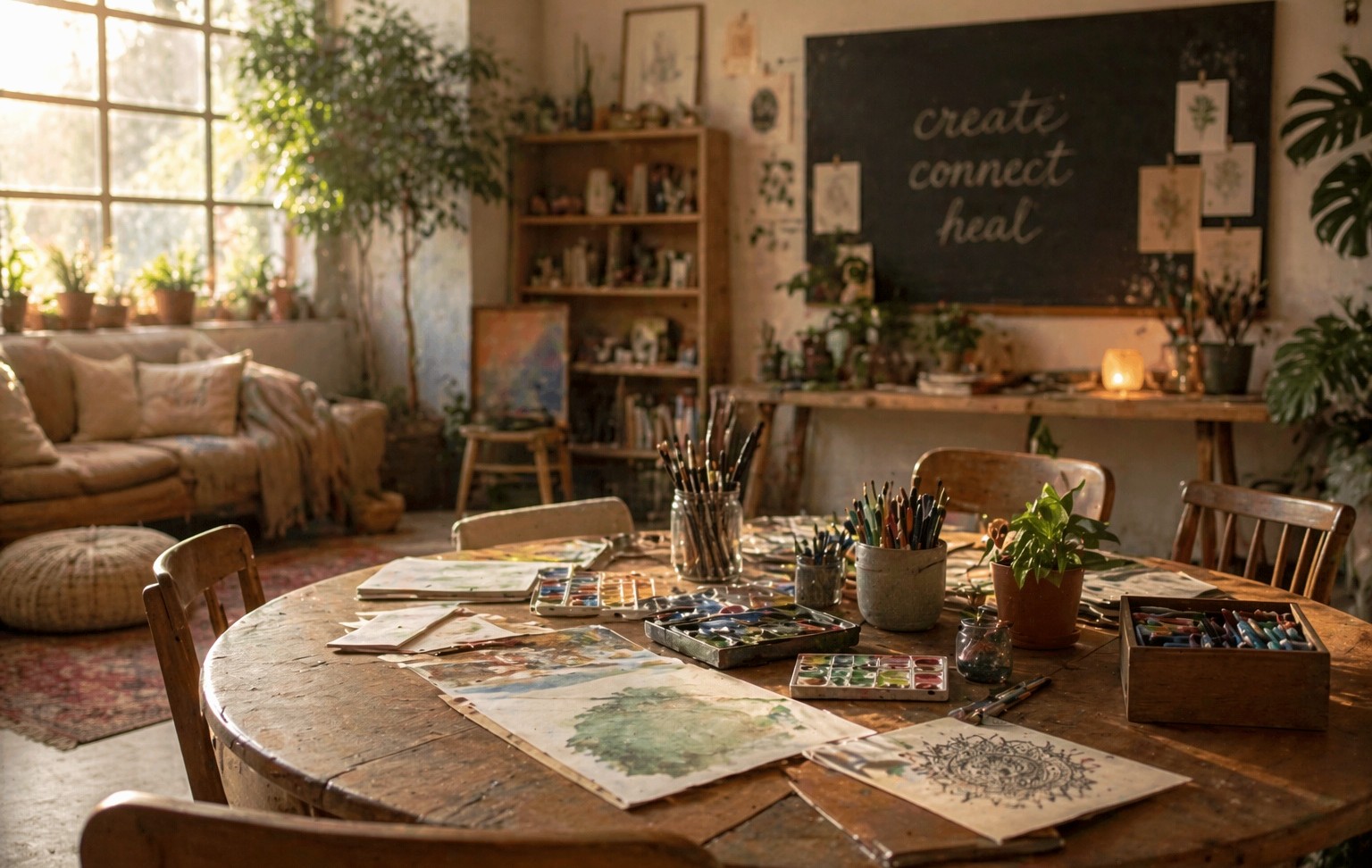
creative studio

Creative Studio

Art, collage, music, and expression for what words cannot always hold.

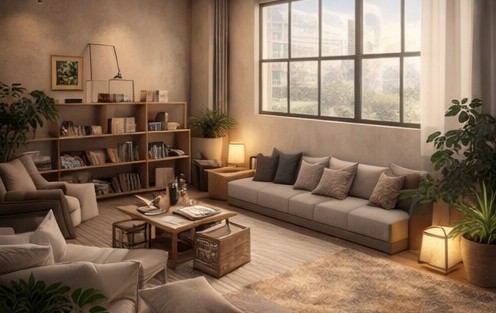
quiet room

Quiet Room

A low-stimulation room for breathing, decompression, reading, and grounding.

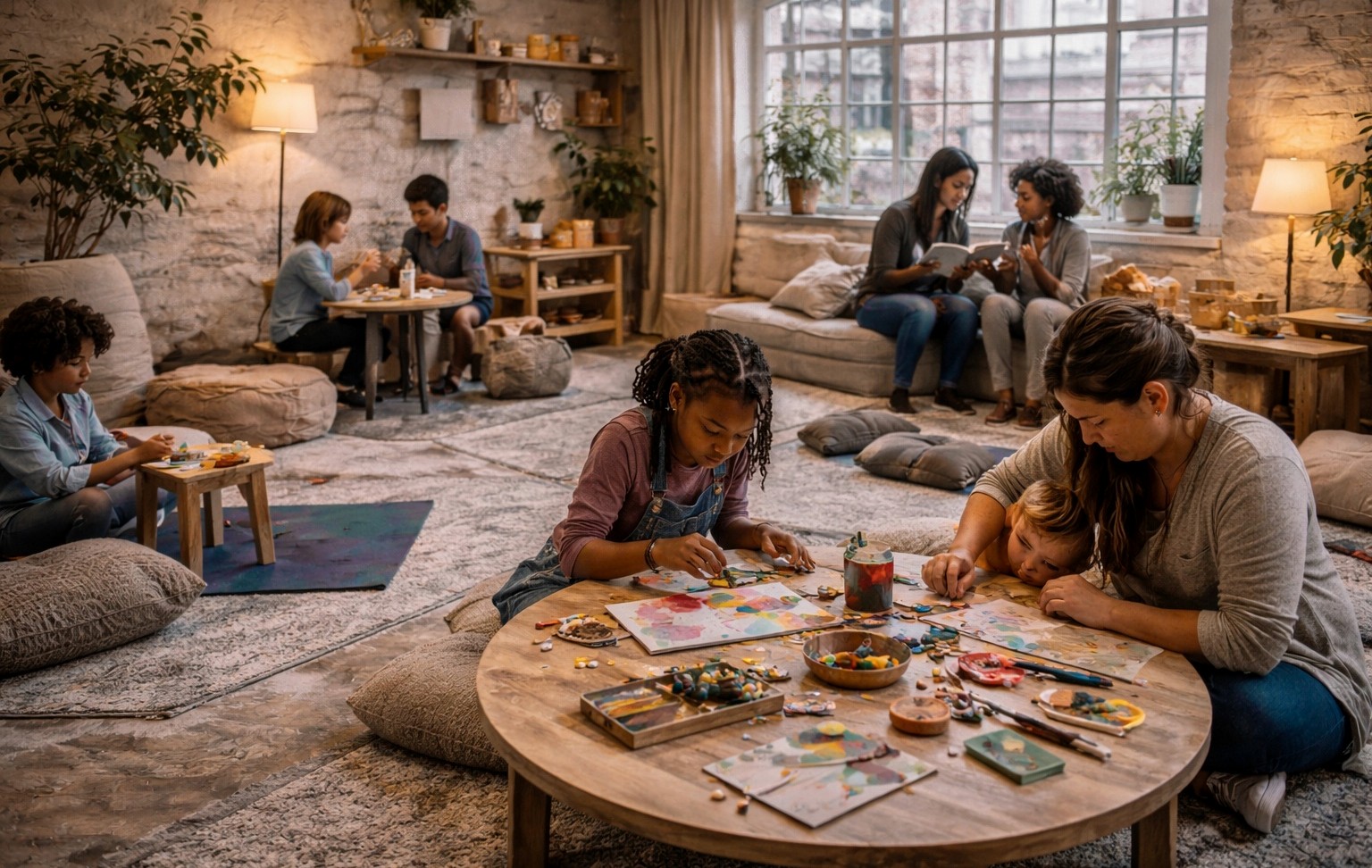
youth room

Youth Room

A creative, safe space for young people to feel heard and supported.

welcome and community space

Welcome & Community Space

A warm entry point for events, volunteers, facilitators, and people looking for somewhere to land.

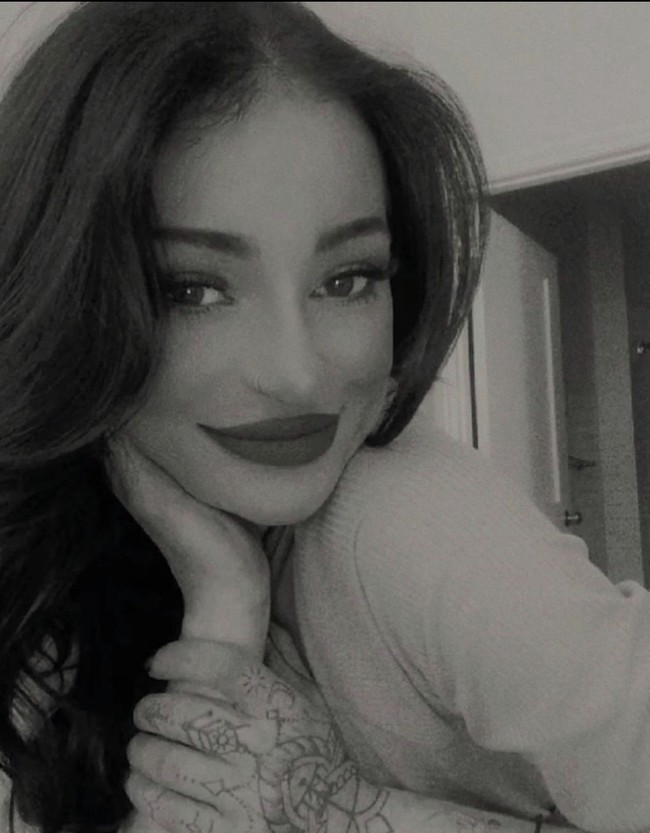
Founder of Finding Eden

Founder’s Note

This started from survival, not branding.

Finding Eden was built from lived experience — grief, isolation, trauma, rebuilding, and the realization that too many people are silently falling apart without somewhere real to land. The goal was never perfection. The goal was to create something human.

Read the full founder story →